Spring Tree Debris Removal Services by Local Contractors
Prepare your yard for spring with trusted local contractors who can efficiently handle tree debris removal and refresh your outdoor space.
Spring is a popular season for tree debris removal because it marks the transition from winter’s harsh conditions to warmer weather. During this time, many property owners notice an accumulation of fallen branches, leaves, and other debris that have gathered over the colder months. Clearing away this debris helps prepare outdoor spaces for upcoming activities, gardening, and landscaping projects. Additionally, removing tree debris in spring can improve the health of existing trees by reducing potential pest habitats and preventing the buildup of decay-causing materials. Engaging with local contractors during this season ensures that outdoor areas are refreshed and ready for the months ahead.
Tree debris removal services typically cover the collection and disposal of fallen branches, leaves, and other natural debris from lawns, yards, and surrounding landscapes. These services often include trimming and pruning to remove hazardous or overgrown branches, as well as hauling away debris to keep outdoor spaces tidy. Some providers may also offer cleanup of hard-to-reach areas or the removal of larger, fallen limbs that could pose safety hazards or obstruct pathways. The goal of these services is to create a cleaner, safer, and more aesthetically pleasing outdoor environment, making it easier for property owners to enjoy their outdoor spaces or prepare for seasonal landscaping.
When comparing local options for tree debris removal, property owners should consider the experience and reputation of nearby service providers. It’s helpful to review the scope of services offered, ensuring they include the specific cleanup needs for the property. Checking for licensed or insured contractors can provide added confidence in the quality of work and professionalism. Additionally, gathering information about how providers handle debris disposal and whether they follow environmentally responsible practices can influence the decision-making process. By evaluating these factors, property owners can find the right local contractors to efficiently and effectively manage their spring tree debris removal projects.
Compare local contractors' expertise and services to find the best fit for your spring tree debris removal needs.
- Seasonal Cleanup - Removing fallen branches and debris prepares outdoor spaces for spring activities.
- Tree Health Assessment - Professionals can identify and address potential issues caused by winter damage.
- Property Aesthetics - Clearing debris enhances curb appeal and creates a tidy, welcoming landscape.
- Safety Improvements - Removing debris reduces hazards and minimizes the risk of damage to property or people.
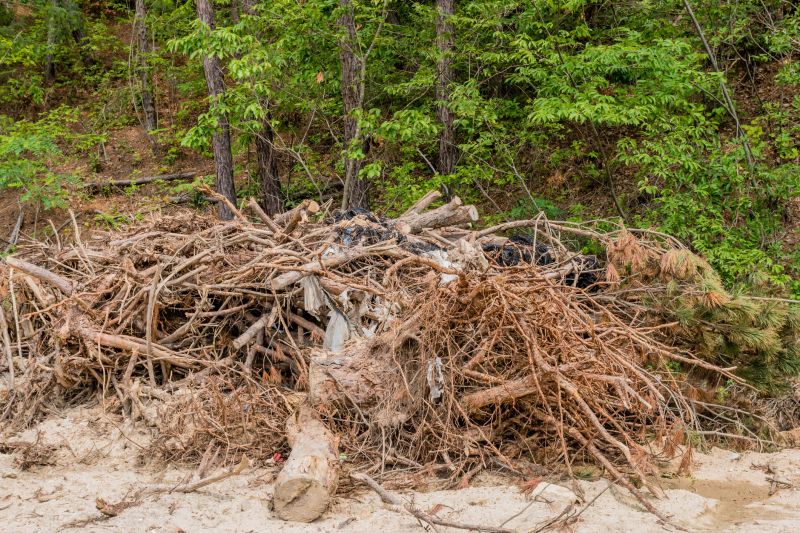
Compare different tree debris removal options and clearly describe your project to find trusted local service providers.
- Assess fallen branches and broken limbs to identify debris that needs removal and prevent potential hazards.
- Check for leaf and twig buildup that can block gutters and create fire risks during dry conditions.
- Look for hanging or unstable branches that may pose a risk of falling and require professional removal.
- Clear away any debris around the base of trees to promote healthy growth and reduce pest habitats.
- Identify dead or diseased branches that should be pruned by experienced tree service providers.
- Inspect for storm-related damage to determine if additional debris removal or tree trimming is necessary.
Use this as a starting point to explore how local contractors can help clear and manage spring tree debris effectively.
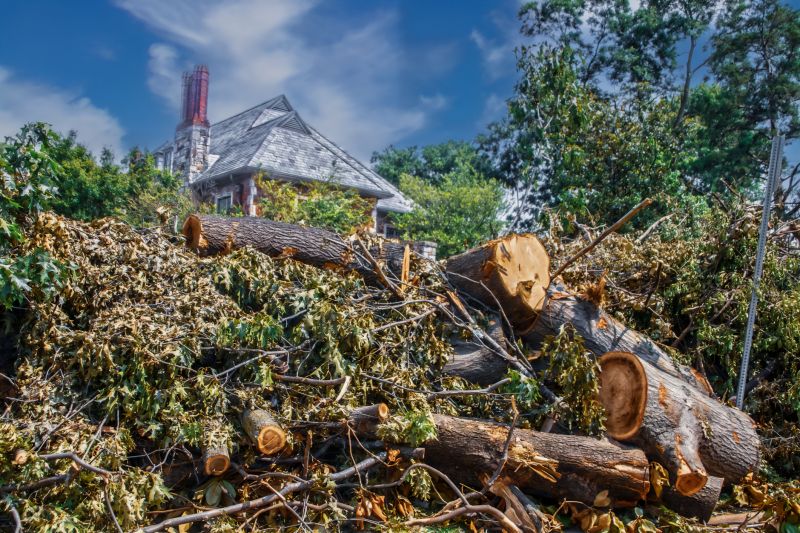
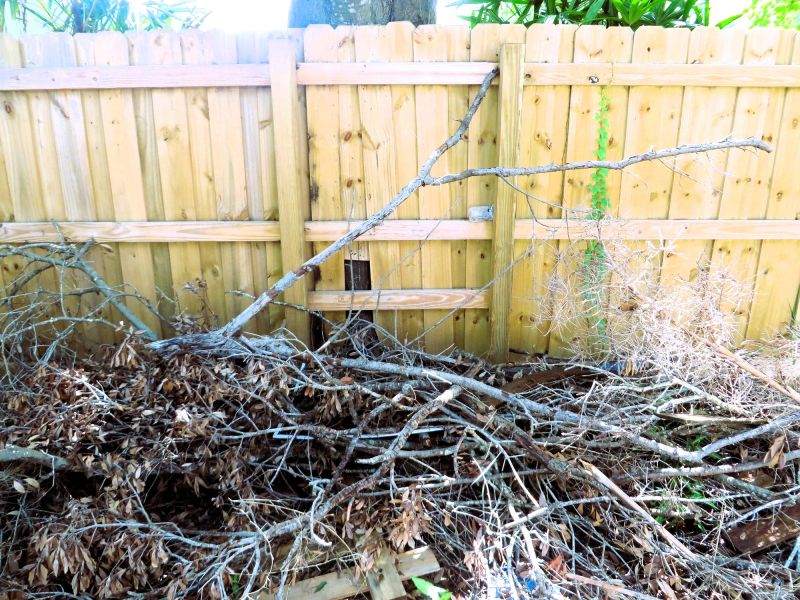
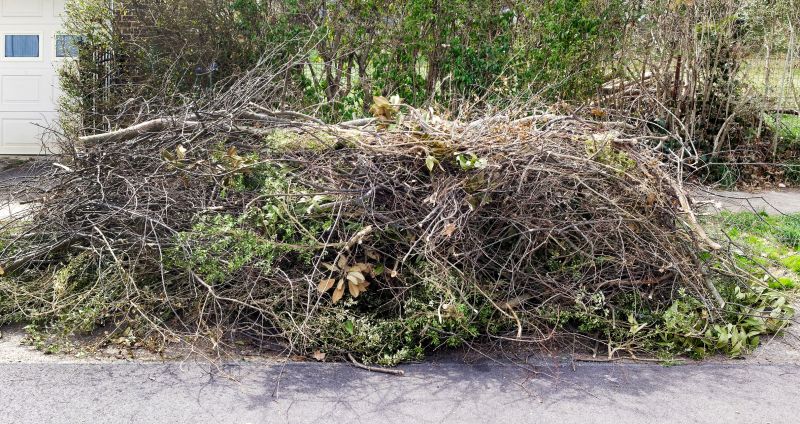
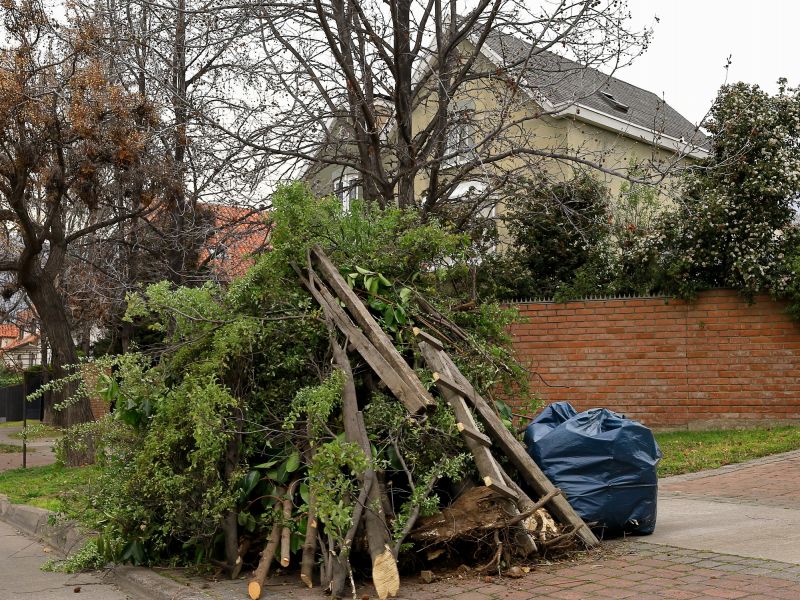
Prioritize your tree debris removal needs and compare local contractors to find the best fit for your spring cleanup.
- Tree Debris Removal - Spring is an ideal time to clear fallen branches, leaves, and other debris accumulated over winter to prepare for the warmer months. Local contractors can efficiently handle the cleanup to keep yards tidy and safe. Proper removal of tree debris can also reduce pest habitats and prevent potential damage to healthy trees. Many service providers offer debris hauling and yard cleanup services tailored to spring yard maintenance needs. Contact local pros to help restore your outdoor space and promote healthy tree growth this season.
Compare local contractors' scope of tree debris removal services to ensure consistent quality across providers for your spring cleanup.
- Scope Definition - Identify the types and quantities of tree debris to be removed, including fallen branches, leaves, and other organic matter.
- Access Requirements - Determine the areas where debris will be collected and ensure proper access for equipment and personnel.
- Cleanup Boundaries - Specify the property zones or landscape features that need to be cleared of tree debris.
- Disposal Methods - Clarify how debris will be transported and disposed of by the service providers.
- Environmental Considerations - Define any restrictions or preferences regarding debris handling to minimize impact on the surrounding environment.
When comparing service providers for tree debris removal during the spring season, it’s important to consider their experience with similar projects. Homeowners should look for local contractors who have a track record of handling tree debris removal in environments comparable to their own property. An experienced provider will be familiar with common challenges such as managing large branches, fallen limbs, and debris from seasonal storms, ensuring that the job is completed efficiently and thoroughly. Asking about previous projects or seeking references can help gauge a contractor’s familiarity with spring-specific tree cleanup tasks.
A clear, written scope of work is essential for understanding what each service provider will deliver. Homeowners should seek detailed descriptions of the services included, such as debris collection, hauling, and disposal methods. A well-defined scope helps prevent misunderstandings and sets clear expectations for the project. Service providers that can articulate their process and outline the specific steps involved in spring tree debris removal demonstrate professionalism and transparency, making it easier to compare options based on the thoroughness and clarity of their proposals.
Work planning considerations are also key when evaluating local contractors for spring tree debris removal. Homeowners should inquire about how each provider plans their work, including factors like site assessment, safety protocols, and equipment used. Understanding how a contractor approaches planning can reveal their level of organization and attention to detail, which are important for efficient project execution. Additionally, considering how they coordinate with property owners or schedule their work can help ensure the project aligns with seasonal priorities and property conditions typical of spring cleanup.
Evaluating options without focusing on prices involves examining the experience, scope clarity, and planning approach of each service provider. Homeowners can compare how well each contractor understands the unique aspects of spring debris removal, the specificity of their project descriptions, and their methodical approach to work execution. By focusing on these qualitative factors, property owners can identify local pros who are better suited to meet their seasonal cleanup needs, ensuring a smooth and effective tree debris removal process during the spring season.
Request written details to ensure clarity and consistency when discussing tree debris removal with local contractors.
- Scope of Debris Removal - What specific types of tree debris do local contractors typically include in their removal services?
- Service Offerings Comparison - How do different providers' debris cleanup methods and cleanup extent vary?
- Equipment and Tools - What equipment do local service providers use to efficiently handle spring tree debris?
- Additional Services - Do local contractors offer related spring cleanup tasks such as pruning or yard clearing?
- Service Coverage - Which providers can handle debris removal across different yard sizes and tree types?
What is tree debris removal? Tree debris removal involves clearing fallen branches, leaves, and other yard waste resulting from storms or seasonal changes to help maintain a tidy outdoor space.
Why should I consider tree debris removal in spring? Spring cleanup helps prepare the yard for new growth, reduces pest habitats, and keeps outdoor areas safe and attractive after winter storms or heavy winds.
What types of tree debris can local contractors handle? They can remove a variety of debris including fallen branches, leaves, twigs, and small tree parts that have accumulated on the ground or in trees.
Is tree debris removal safe for my landscape? Professional service providers use proper techniques to ensure debris is removed without damaging surrounding plants, lawns, or structures.
How do local contractors typically perform debris removal? They often use equipment like rakes, debris blowers, and trucks to efficiently gather and haul away yard waste from the property.
What are common reasons to hire a professional for tree debris removal? Hiring local contractors can save time, reduce physical effort, and ensure the job is done thoroughly, especially for large or hard-to-reach debris.
Spring is an ideal time to prepare outdoor spaces for the season ahead by clearing away tree debris that can accumulate over the winter months. Visitors have learned how professional tree debris removal can help maintain a tidy yard, reduce hazards, and create a welcoming environment for outdoor activities. To explore options and find local service providers equipped to handle this seasonal task, using the quote form can be an effective way to compare local contractors and connect with those who meet specific project needs.
Taking the time to compare local contractors through the quote form ensures access to experienced service providers who specialize in tree debris removal. Whether for routine cleanup or larger clearing projects, this approach helps identify the right professionals for the job. Engaging with local experts can support spring cleanup efforts and help achieve a refreshed, clutter-free outdoor space.
Providing clear details about your tree debris removal needs helps local contractors understand your project better.
- Type of debris - details about the specific types of tree debris that need removal, such as branches, leaves, or fallen trunks.
- Area size - information on the size of the area requiring debris cleanup to help determine the scope of work.
- Access considerations - any challenges or requirements related to reaching the debris, such as terrain or obstructions.
- Preferred disposal method - options or preferences for how the debris should be handled or disposed of after removal.